








At DH-Robotics, we are pushing the boundaries of what’s possible with human robot hands and highly dexterous robotic hands. With the rise of automation and intelligent systems, the need for robotic systems that can handle delicate tasks with precision has never been greater. We’ve been focused on advancing robotic hands that not only mimic human dexterity but also use cutting-edge technology like neural networks for adaptive motion planning. By integrating these systems, we enable our robotic hands to achieve complex manipulations that are essential for a variety of applications, from medical assistance to industrial automation.
The Role of Neural Networks in Motion Planning
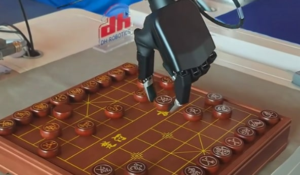
At DH-Robotics, we understand that the future of robotics depends on how effectively a robot can adapt its movements to different objects and environments. The key to this adaptability lies in motion planning, particularly through neural networks. Highly dexterous robotic hands, such as our DH-5-6 Dexterous Hand, employ deep learning models to predict and control movements in real time. By learning from data, these models can make nuanced decisions, adjusting the hand’s grip or position as needed.
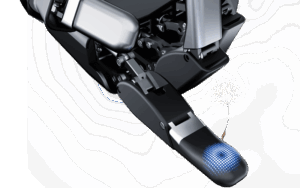
The neural network approach allows for more precise movements that are crucial for complex tasks. Whether the hand is picking up fragile objects or performing delicate surgery, the precision and adaptability enabled by neural networks ensure that the robot can handle tasks efficiently. For instance, our DH-5-6 is equipped with a tactile sensor array, offering multi-modal perception to enhance object recognition and adjustment, essential for high-performance motion planning.
Enhancing Gripping Precision and Object Recognition
A critical feature of DH-Robotics’ approach to human robot hands is the integration of advanced sensors that provide tactile feedback. The sensors are fine-tuned to detect subtle variations in the environment, allowing the robotic hand to adjust its grip with incredible precision. This is especially important in tasks that require gentle handling, such as in elderly care assistance or medical handling, where the risk of damage to objects or patients must be minimized.
For example, the DH-5-6 Dexterous Hand is designed with optional high-sensitivity tactile sensor arrays. These sensors help the robotic hand recognize the object’s texture, shape, and weight, and adjust its gripping force accordingly. This level of sensitivity is vital for adaptive manipulation, which is a hallmark of highly dexterous robotic hands.
Real-Time Adaptation: Bridging the Gap Between AI and Robotic Control
The future of human robot hands lies in their ability to adapt in real-time to dynamic environments. At DH-Robotics, we’ve made significant strides in combining artificial intelligence with physical control systems to achieve just that. Our motion-planning algorithms, powered by neural networks, enable the robotic hand to dynamically adjust its grip, speed, and movement pattern in response to changing conditions.
This adaptability is particularly beneficial in applications such as bin handling, physiotherapy, or even motion capture training. As the hand interacts with its environment, the neural network continuously updates its motion model based on sensory feedback, enabling the robotic hand to adjust with minimal delay. The end result is a highly responsive system that can handle a wide range of tasks, from organizing household items to assisting with medical procedures.
Durability and Reliability for Continuous Use
While DH-Robotics is committed to advancing dexterity and precision in robotic hands, we also ensure that our products are built for longevity and reliability. The DH-5-6 Dexterous Hand is engineered to withstand over a million cycles of use, making it suitable for high-frequency operations across various industries. The robust design of the hand ensures that it can maintain performance without significant wear, even under heavy-duty conditions.
Thanks to the upgraded drive and transmission system, the DH-5-6 is equipped to handle frequent, high-stress tasks. Whether it’s used in a busy industrial setting or a delicate medical environment, the durability of this hand ensures that users experience minimal downtime and maximum productivity.
Conclusion: The Future of Dexterous Robotics
In conclusion, the DH-5-6 Dexterous Hand and our neural network-based motion planning approach represent the future of human robot hands. By combining adaptive control with highly sensitive tactile feedback, we can create robotic systems that respond intelligently and reliably to their environment. At DH-Robotics, we are excited about the potential these advancements hold for industries ranging from medical handling to home organization. As we continue to explore the possibilities, we remain committed to providing our users with the most innovative, highly dexterous robotic hands available today. By leveraging neural networks and precision engineering, we are shaping the future of robotics—making the once-impossible tasks achievable and paving the way for smarter, more efficient automation.