








The evolution of robotic dexterity has opened new possibilities in various sectors, from healthcare to industrial automation. At DH-Robotics, we focus on creating human robot hands that are capable of performing complex, dexterous tasks. Central to our design philosophy is the tendon-driven mechanism, which brings a level of precision and flexibility that allows robots to mimic human hand functions more closely than ever before.
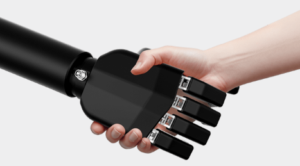
What Makes Tendon-Driven Mechanisms Unique in Dexterous Hands?
The core of the human robot hand’s ability to manipulate objects with precision lies in its tendon-driven structure. This system uses flexible tendons to replicate the movements of the human hand, providing more natural and fluid motions compared to traditional robotic systems. The tendon-driven approach is ideal for dexterous hands because it allows for finer control of the fingers and wrist, enabling tasks that require detailed manipulation. Whether it’s picking up a delicate object or performing a complex maneuver, tendon-driven mechanisms offer a unique advantage in robotic hand control.
The Importance of Feedback: Integrating Sensors for Enhanced Control
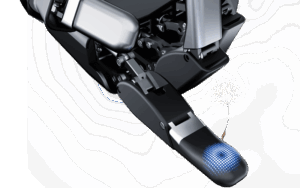
For a human robot hand to be truly dexterous, it must not only move fluidly but also respond intelligently to external forces. At DH-Robotics, we equip our dexterous hands with high-sensitivity tactile sensors that provide real-time feedback. These sensors allow the hand to adapt its grip based on the object’s texture, weight, and shape, ensuring stable and precise interaction with its environment. This capability is crucial for applications in fields like medical handling, where the robot must adjust its grip to avoid damaging fragile items or performing high-precision tasks in a controlled manner.
Advanced Durability: A Key Feature for High-Use Scenarios
In any robotic system, durability is essential, especially when the device is designed for high-frequency use. At DH-Robotics, we’ve engineered our dexterous hands for extreme longevity. With a lifespan of over one million cycles, our hands are designed to endure intense, repetitive tasks, such as motion capture training or bin handling, without sacrificing performance. This exceptional durability ensures that our human robot hands remain reliable and functional in environments where traditional robotic hands might fail.
The Future of Dexterous Robotics: A Blend of Innovation and Practicality
The future of robotics is rooted in the continued advancement of human robot hands that seamlessly integrate into human activities. At DH-Robotics, we are focused on expanding the capabilities of our dexterous hands, bringing them to new industries like elderly care, physiotherapy, and home organization. With the ability to perform a wide range of tasks with human-like precision, our robots are set to become invaluable tools in everyday life, offering support and assistance to those who need it most.
Revolutionizing Robotic Dexterity: DH-Robotics’ Future-Ready Tendon-Driven Human Robot Hands
As technology continues to progress, the role of tendon-driven mechanisms in robotic dexterity will only become more prominent. At DH-Robotics, we are committed to pushing the boundaries of what’s possible with human robot hands. By combining cutting-edge tendon-driven designs with advanced sensors and durable materials, we aim to revolutionize the way robots interact with the world and enhance the quality of life for people across various industries. Dexterous hands are no longer just a concept—they are the future of robotics.